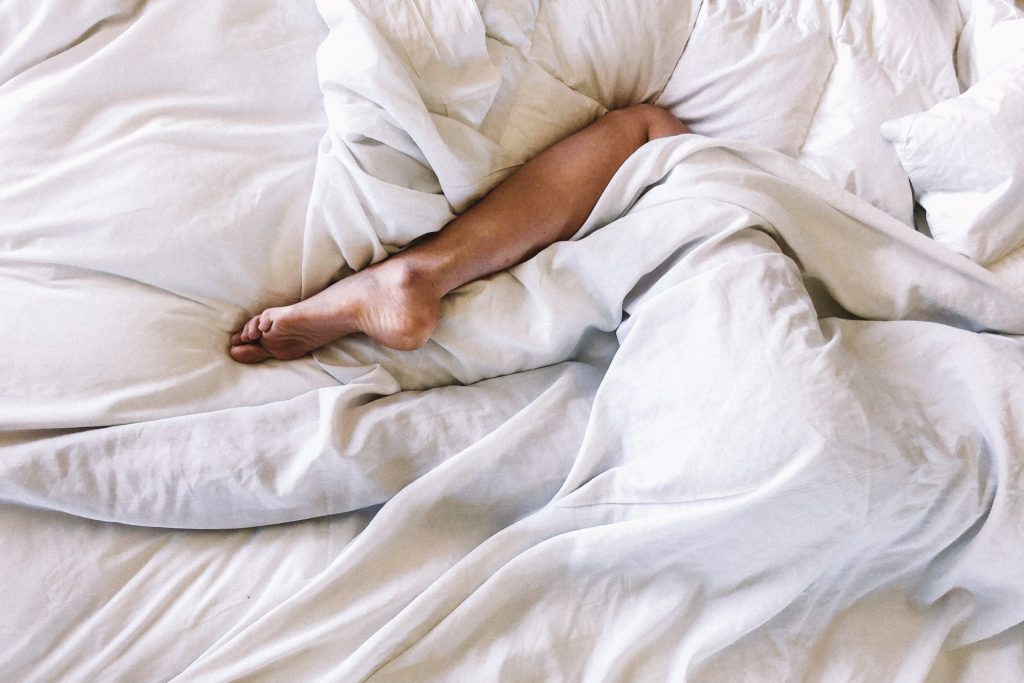
Stop bragging about how little you’re sleeping. Please.
Sleeping less than 8 hours has serious effects on how healthy, happy, and productive you are. It impacts everything from those 5 pounds you want to lose, your ability to focus on what your professor is saying, to your mental health, and how much you can lift at the gym.
I get it. School is stressful. It’s competitive. It seems like everyone around you is busy. With studying, social life, extracurriculars, and internships to fill up their resumes.
You want to be busy too. So busy that you don’t have time for sleep.
“I had to pull another all-nighter because my essay was due at 8am.”
“Nah bro, I literally haven’t slept in a week.”
“I’ll sleep when I’m dead. What’s coffee for, am I right??”
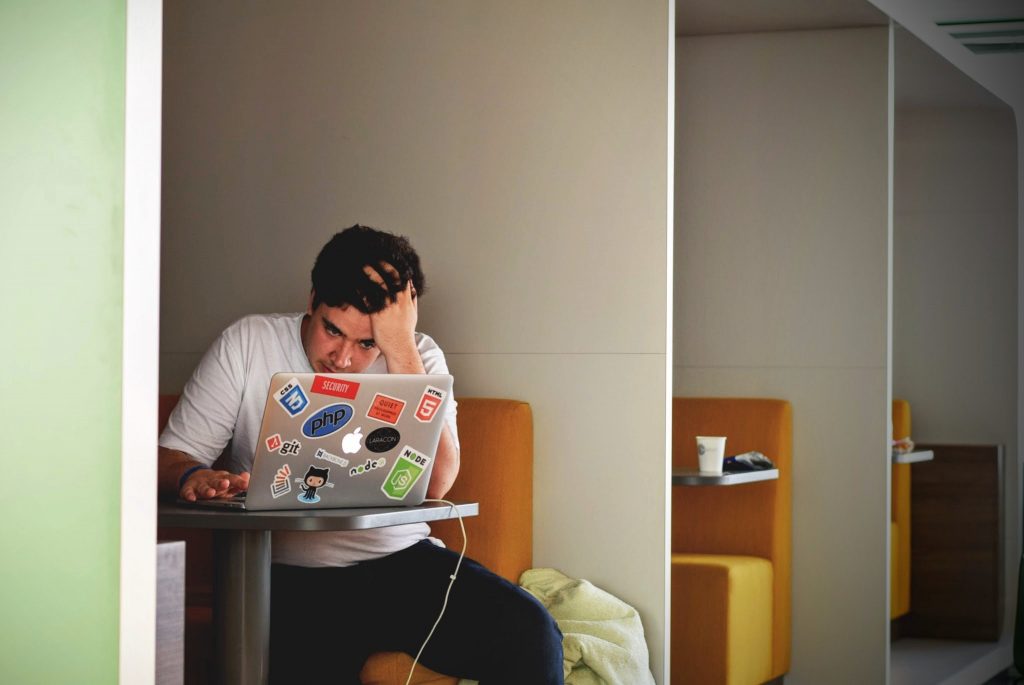
We operate on the idea that sleeping less makes us look cooler. Getting so much done on so little sleep. It’s the same reason people brag about not studying for a test and still getting a B+.
I’ve been guilty of this. I’ve humble bragged countless times about going to bed after midnight, waking up at 5 am, and how much studying I still had to do during finals week.
Sacrificing our sleep does not make us cooler. It just shows that we’re bad at managing our time.
But, good news!
There’s no need to sacrifice your sleep for the hustle. You can change the narrative and start sleeping more.
“We should reclaim our right to a full night of sleep without embarrassment or the damaging stigma of laziness”, says Matthew Walker, researcher and author of Why We Sleep, a book on the neuroscience and biology of sleep.
Sleeping does not make you lazy. It makes you smart.
You can stop feeling guilty about not getting up at 5am like that girl on Tik Tok. Sleeping only four hours is going to hurt you more than it’s going to help you.
Here’s what sleep deprivation does to your body and mind.

Sleep keeps you healthy
Not sleeping enough negatively impacts your health. It increases the risk of heart disease and diabetes, leads to weight gain, and causes damage to your immune, cardiovascular, and hormone system.
If you’re a young adult, getting 8 or more hours of sleep is essential for staying healthy. And as a bonus, you’re so much happier and more productive when you’re healthy.
Studies have shown that allowing students to sleep only 7 hours instead of 8 every day for 10 days is just as bad for their health as staying awake for 36 hours straight.
You’re more likely to get into a serious accident or injure yourself when you’re exhausted. Your concentration falters, you’re too tired to pay attention to your surroundings, and your eyes slowly fall shut. There’s a reason you’re never supposed to drive when you’re tired.

Sleep deprivation also makes you more likely to catch that nasty cold going around every winter, because it compromises your immune system. And being sick for a week has a bigger negative impact on your productivity than getting those few extra hours of sleep.
You might also want to let your parents know that adults over the age of 45 are 200% more likely to suffer from a heart attack, stroke, or get diabetes if they regularly get less than 6 hours of sleep.
(I’m looking at you, mom.)
Lack of sleep negatively affects your mental health
You do not want to be around me when I’m sleep-deprived. I’m emotional, I’m mean, I’m annoying. Literally anything you say will piss me off. Basically, I’m a bitch when I’m tired.
Turns out, the quantity and quality of your sleep have a big impact on your mood. Who would have thought?
Not sleeping enough increases your risk of becoming depressed, anxious, and even suicidal.
There’s a two-way street between mental illness and sleeplessness. If you can’t sleep, your mental health gets worse. And if you’re experiencing a dip in your mental health, you probably also can’t sleep.
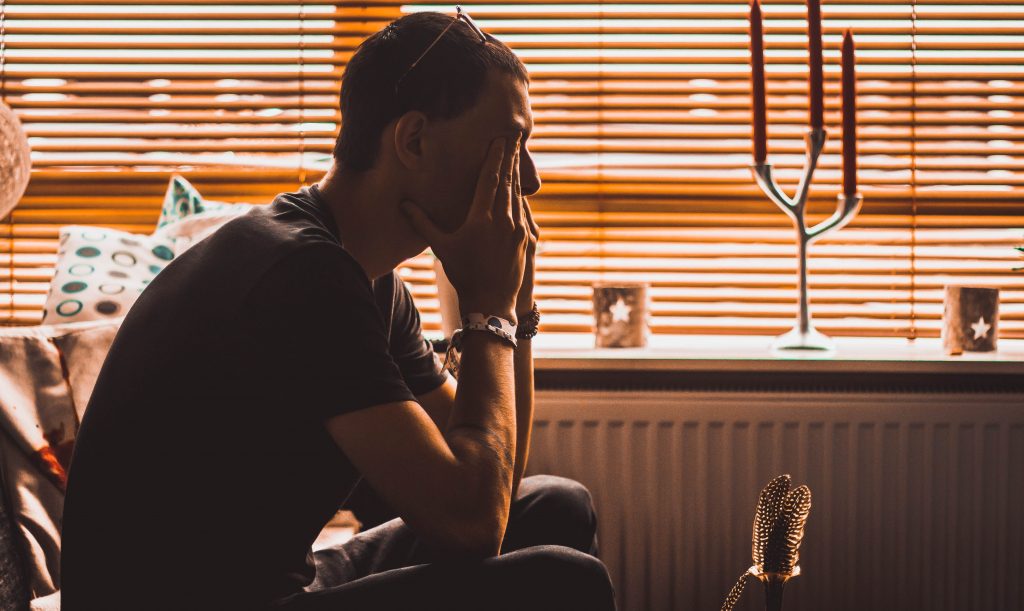
But you can use this to your advantage. Improving one of the two, your sleep or your mental health, also improves the other. Getting in your 8 hours every night improves your mental health and makes you think that maybe not everything is shit all the time.
While you sleep your brain processes all the new experiences you had during the day. That cute brunette cashier that gave you an extra oatmeal cookie with your latte. The dish soap you spilled all over the kitchen floor. The wholesome conversation you overheard between two young girls encouraging each other to pursue their singing aspirations.
Your brain also processes any old memories that make you feel uneasy, scared, or sad.
The guy you made out with once at Octoberfest that said your boobs make up for your personality. The time you dropped your phone down three flights of stairs because you were so excited for the pizza delivery guy bringing your Quattro Formaggi. That childhood trauma your therapist always forces you to talk about. Ugh.
Sleep makes all of these emotional and sometimes traumatic experiences less intense. This is why you often feel better about something after sleeping on it.
So next time you’re feeling anxious about an unsolvable problem, take a 30 minute nap. Give it a day or two and look at it with fresh eyes.
Not sleeping is making you fat
Bold statement, but kind of true.
When I don’t sleep well I eat like shit.
Sleep changes your blood sugar levels. Reducing the time you spend in bed by only an hour or two every night for a week disrupts your blood sugar levels so much that you’re classified as pre-diabetic.
Sleep, or lack thereof, also increases and decreases your appetite. Tiredness will stimulate your appetite and increase your desire to snack.
It’s like having the munchies when you are high. (Apparently. I wouldn’t know, of course.)

If you are well rested, however, you are less impulsive when it comes to buying or making your meals. You choose healthy and nourishing foods over junk food.
If your goal is to lose weight, you should know that sleeping too little will also counteract any dieting efforts you make. Reducing your nightly rest from 8.5 hours to only 6 hours means that most of the weight you lose comes from muscle, not from fat.
Your body becomes very stingy about giving up fat when it’s not well-rested enough. Kind of like you becoming stingy about giving up money when you’re saving up for those new AirPods Max everyone seems to have.
How much rest you’ve gotten the night before also influences how motivated you are to move around during the day. The less you sleep, the less energy you have, and the more you want to take the car instead of walking, the elevator instead of the stairs.
You’re putting in all that extra effort to eat healthy foods and work out consistently. Don’t ruin all your progress by skimping on sleep.

Disclaimer!
I am not saying by any means that you’re unhealthy if you have extra body fat. I’m much healthier now than I was at my lowest weight. And I love my tummy. I’d miss her if she ditched me.
Making better food choices and moving more is about becoming healthier, not thinner. I’m just saying that IF your goal is to lose weight, you might want to consider sleeping a bit more.
I’m just here to provide some sexy information. Your body your choice. Do what you want.
Thanks for coming to my Ted talk.
More sleep leads to more gains
Do you know how much I can lift when I sleep only 6 hours?
Nothing. Zero. Nada. It’s really sad.
But when I’ve slept well? I feel like Lara Croft in Tomb Raider. Or like the Black Widow. With her sick leather outfit, of course.
But you don’t have to go to the gym to feel the effects of sleep deprivation.
After one week of sleeping less than 8 hours, your motor movements get so much worse that not even three nights of recovery sleep can restore them fully. This goes for any type of motor movement. Everything from dance and basketball to playing the piano is impacted by the quality of your sleep.

If you practice Una Mattina on the piano for an hour in the afternoon and then get a good night’s sleep, your brain will continue to improve your memory of the piece, even while you’re unconscious. When you play it again the next day, it is a little bit easier than the day before. Maybe it even sounds a little bit better.
Practice followed by a good night’s sleep makes perfect.
So whether you want to become the next Ludovico Einaudi or outperform Jamie Tartt on the soccer field, sleep is your best bet.
Being tired makes you less productive and focused
Makes intuitive sense.
Ever tried studying for a test that you have on Friday during finals week, when you already have a week of sleep deprivation behind you? Horrible. Would not recommend.
When you’re tired you have difficulty concentrating. Your mind wanders. You become distracted. Instead of memorizing the names and functions of the different neurotransmitters in your brain, you start thinking about your group costume for the Halloween party in three weeks.
(The idea was fuck, marry, kill by the way, but sadly we were more than 3 people. Someone please use this costume idea next year and send me a photo.)

When you don’t sleep, you can’t think creatively, you can’t solve the easiest problems, and you most definitely can’t focus. Whatever you are trying to learn is not stored correctly in your brain. You have difficulty remembering information when you need it.
I sometimes forget how to speak German when I’m tired. Embarrassing.
Sleeping an hour more doesn’t necessarily mean you work an hour less. You can shift your priorities. Less Netflix, fewer Instagram reels, and more time in bed.
And, as the saying goes, quality over quantity. A short session of focused work is better than a few hours of reading the same paragraph over and over.
“An hour with a fresh mind is worth five hours of fog,” says copywriter Doug Kessler in the book Everybody Writes by Ann Handley.
Create healthy sleep habits and stick to them
Instead of humble-bragging about having to pull another all-nighter to study for your final exam, brag about how consistent your sleep schedule is. Hot girls sleep.
Rest is essential for being able to focus on your work, having more energy, solving problems more creatively, feeling happier, and being healthier. A good night’s sleep can be the difference between a productive day and a day of feeling exhausted, and unfocused, eating junk food, and watching an entire season of Ted Lasso. Definitely not based on a real example.
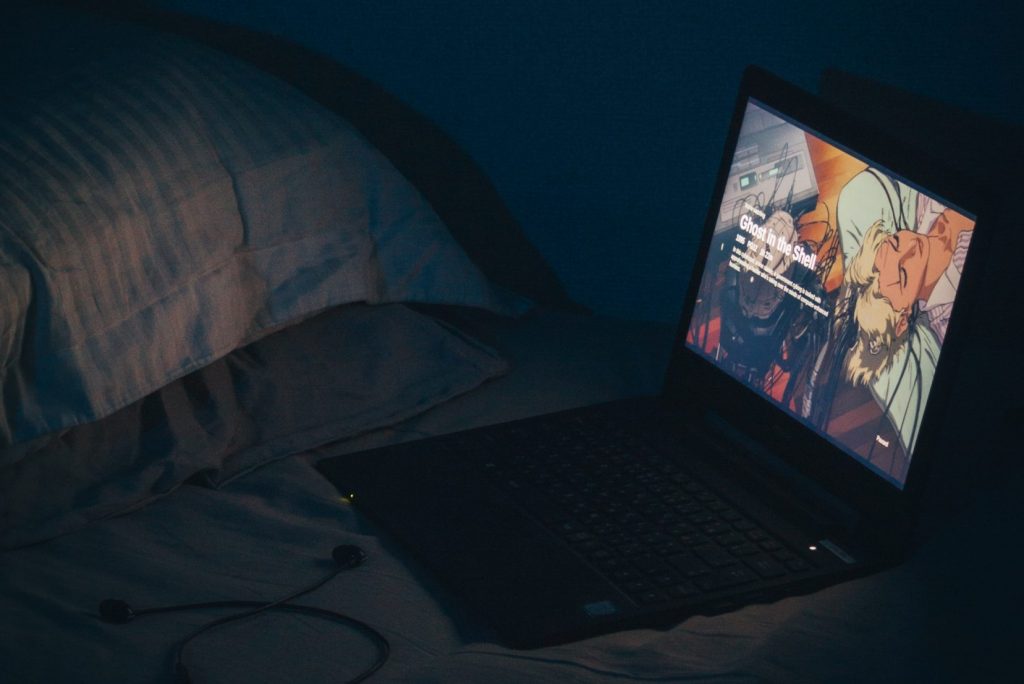
If you’re looking for a stupidly easy way to improve your life, the answer is getting enough sleep regularly.
Read a book instead of scrolling Tik Tok before bed. (Old school, baby.) Keep your bedroom dark and cool enough to sleep comfortably. Get rid of electronic devices that interfere with your sleep. Dim bright lights. Meditate to slow your heart rate.
Resist watching another episode of Criminal Minds, even if you have an incurable crush on Dr. Reid. The crush will still be there tomorrow. Trust me.
If productivity during the day is your goal, your evening routine has to prioritize sleep.
Sleeping in on the weekend is not enough
Going to bed late during the week and trying to pay your sleep debt on the weekend sadly doesn’t work.
That’s like ordering fries and burgers at McDonals five days out of the week and then trying to compensate with a lentil salad on Saturday.
Let’s say you wake up at 7 am Monday to Friday to go to class. Sleeping in until 11 am on Sunday might feel like a great idea in the moment. You’re tired, you don’t have any appointments in the morning, and you might as well catch up on some sleep.
For your body, though, it’s like getting on a plane and traveling thousands of kilometers every weekend. If someone told you they fly from Germany to India every Friday, you’d think they were (1) very rich, and (2) very weird.
Getting up at a wildly different time from one day to the next is called social jetlag. Mostly because it’s caused by us wanting to be social. You don’t want to stay home if all your friends are going out to a karaoke bar on Friday night, just because some writer said you should get more sleep.

Sadly, there is no real solution to this.
Your goal is to even out your sleeping schedule a little bit more. Create balance. Get up between 7 and 9 am every day, instead of getting up at 5 one day and sleeping until 12 the next.
You can skip some of the parties with your friends in the late evenings, go to bed a little earlier, and wake up earlier the following day.
Or, if your class schedule permits, you can try getting up later during the week.
Alternatively, you can do what I do. Force your friends to meet for drinks at 8 pm instead of 11 pm. Blackmail them with your presence. Really works.
Conclusion
Sleeping enough is essential for waking up in the morning and not hating yourself and everything about your life. It plays a huge role in your health, happiness, productivity, and overall life quality.
Also, being well-rested makes us all a little less bitchy.

Lack of sleep doesn’t equal productivity. It is not a measure of success. It is not a badge of honor that you wear to class. Look, mommy, I slept only 2 hours and I still got all my work done.
Sleep is necessary for actually being productive. Producing meaningful work. Not just being busy. If you get less sleep than you need, you have to work harder to produce the same output.
Work smarter instead.
It’s not no pain, no gain. It’s no sleep, no gain.
You don’t even know what you’re capable of when you sleep enough consistently.